Choosing a tree surgeon is about more than just finding the cheapest option. You’re hiring someone to perform dangerous work at height, often near your home, neighbours’ properties, vehicles, and overhead power lines. Taking the time to research ensures you protect your property, keep your trees healthy, and avoid unexpected costs. A trusted professional will work safely, respect your garden, and deliver quality results. Don’t rush: choosing the right tree surgeon means peace of mind and a job done right the first time.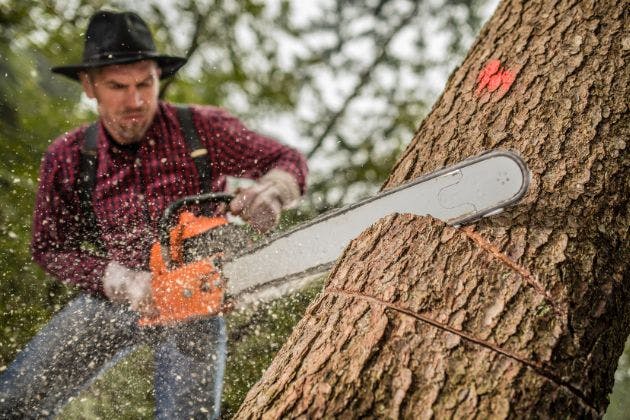
Key qualifications a tree surgeon should hold
Tree surgery involves chainsaws, climbing equipment and complex rigging, so proper training is essential. In the UK, most reputable tree surgeons hold relevant City & Guilds NPTC certificates for the work they perform.
For basic ground-based chainsaw work, look for NPTC units covering chainsaw maintenance and cross-cutting. For tree climbing and aerial cutting, ask whether they hold suitable climbing and aerial-use units. They should be happy to confirm this and provide certificate numbers or copies on request.
Membership of professional bodies such as the Arboricultural Association can also be a good sign of commitment to best practice. It is not compulsory, but shows they take ongoing standards and training seriously.
Ask which NPTC units they hold for chainsaw use and climbing
Check they only offer services they are actually qualified to perform
Request proof of qualifications if you are unsure
Insurance essentials you should check
Tree work carries obvious risks, so proper insurance is non-negotiable. At a minimum, ask for evidence of current public liability insurance that would cover damage to your property or a neighbour’s if something goes wrong.
If the business uses a team rather than a sole trader model, they should also hold employers’ liability insurance. This protects you from being drawn into claims if a worker is injured on your land.
Do not be shy about asking for a copy of their insurance schedule. A professional tree surgeon will be used to providing this and will not take offence.
Getting a clear written quote
A detailed written quote helps avoid awkward surprises on the day. It should explain exactly what work will be carried out, how it will be done and what happens afterwards with the waste and stump.
Make sure the quote clearly states:
Whether all branches, logs and arisings will be removed from site
If chipping is included and whether you can keep woodchip for mulch
Whether stump grinding is included or priced as an optional extra
It is also sensible to confirm how they plan to protect lawns, flowerbeds and driveways from damage by branches, heavy logs and equipment. Ask how they will access the tree, particularly if you have narrow access, and whether any garden features need to be moved.
Permissions, TPOs and conservation areas in Hertfordshire
Many Hertfordshire properties, especially older suburbs and villages, sit within conservation areas or have trees protected by Tree Preservation Orders (TPOs). Carrying out work without the right permission can lead to fines and a requirement to replace the tree.
Before booking work, check with your local council’s planning or arboricultural department whether your tree is protected. You can usually search online or contact them with your address and a description of the tree.
A good tree surgeon will talk you through this and help with basic applications, but the legal responsibility ultimately sits with the homeowner. Do not let anyone pressure you into immediate work without confirming permissions first.
How to spot poor practice before you hire
There are a few clear warning signs that a tree surgeon may not be working to professional standards. One of the most obvious is offering to “top” trees, removing large portions from the crown with little thought to structure or long-term health.
Proper pruning respects the tree’s natural shape and growth patterns. Excessive topping can cause decay, create unstable regrowth and often leads to more expensive problems later. Be wary of anyone suggesting drastic cutting without a clear reason and explanation.
Lack of a visible risk assessment is another red flag. Before starting, they should assess hazards such as sheds, garages, glasshouses, overhead lines and public footpaths. If the team simply jumps out of the van and starts cutting, their approach may be careless.
Finally, avoid “doorstep” traders who pressure you into same-day work with claims that a tree is dangerous without proper inspection. A reputable firm will explain the risks, give you a written quote and allow you time to decide.
Questions to ask during a site visit
A site visit is your chance to assess how the tree surgeon works and how well they communicate. Come prepared with a few practical questions to make sure everything is covered.
Ask about access: which route will they use to bring branches and logs out, and can this be done without damaging fences or narrow passages? Discuss timing, how long the job should take and whether they need you at home for all or part of the day.
It is also worth checking how they handle neighbour communication, especially if branches overhang boundaries or debris may pass briefly through a shared drive. Agree how the site will be left and what “tidy-up” means in practice, including raking lawns and blowing paths.
Considering Hertfordshire garden layouts
Many Hertfordshire homes have mature trees in relatively small suburban gardens, often close to outbuildings, garages and conservatories. This makes careful planning and controlled rigging even more important.
Explain any particular concerns, such as fragile roofs, glass structures or recently landscaped areas. A competent tree surgeon will suggest appropriate techniques, like sectional dismantling, to manage risk and protect nearby structures.
Narrow side passages, shared access and on-street parking are also common locally. Clarify where vehicles and wood chippers can be parked, and whether any temporary parking arrangements or neighbour notifications are needed.
Looking at services, results and reviews
Before you commit, check that the tree surgeon offers the specific services you need, such as tree removal, tree felling or stump grinding. The more clearly they describe their services online, the easier it is to see if they are a good fit.
Evidence of past work can be just as important. Take a look at their Reviews to see what other Hertfordshire homeowners say, and browse their Gallery to view before and after photos of similar projects. Consistent positive feedback on tidiness, communication and safety is a reassuring sign.
Next steps: book a professional site visit
If you are weighing up tree work at your Hertfordshire home, the best next step is a professional assessment on site. You will get tailored advice on what your trees need, the safest way to carry out the work and clear costs in writing.
To arrange a friendly, no-obligation visit from an experienced local team, contact Hertfordshire Trees on 07775743861 or fill out our contact form. They can assess your trees, explain your options and help you plan the safest, most cost-effective route forward for your garden.